



They have been fasting since March 5, and they are still at it. For the Copts, the Egyptian Christians, the 55-day fast before Easter is the longest and therefore most difficult fasting cycle in the entire church year. The fast may only be broken on the Saturday before Easter, after Holy Communion. And Easter falls on May 2 in 2021. The Copts follow the Julian calendar, whereas we in the West follow the Gregorian calendar. This is why the Easter holidays in Egypt and Europe very rarely coincide. With this focus on Easter as the "Feast of the Resurrection", the Copts show that they are an ancient church. Unlike for us Europeans, Easter is more important to the Copts than Christmas.
Egypt - the cradle of Christianity
The extent to which Egypt, today a predominantly Islamic country, is interwoven with Christianity is hardly known here. The story of Moses being set adrift on the Nile in a basket and then educated at the Pharaonic court may still be in our heads, but who knows that Egypt was the first fully Christianized country in the world? Or that it was in Egypt, starting with the hermits who retreated to the desert with their disciples, that monasticism developed and spread from Egypt to Europe?
According to tradition, the evangelist Mark founded the Church of Egypt. By the 2nd century AD, the Nile Delta had already been Christianized and, with Alexandria as the bishop's see, Christian teaching quickly spread throughout the country. Egypt became the center of intellectual debate about the correct Christian doctrine. Ultimately, at the Council of Chalcedon in 451, the Egyptian Christians split from the Eastern Roman Church over the question of whether Christ was both God and man or only of a divine nature. This marked the beginning of rather difficult times for the Copts, who, oppressed and exploited by their fellow believers from Byzantium, welcomed the Muslim conquerors as liberators in 639 AD. Today, around 15 - 20 million Copts still live in Egypt.
Easter - the pharaonic spring festival
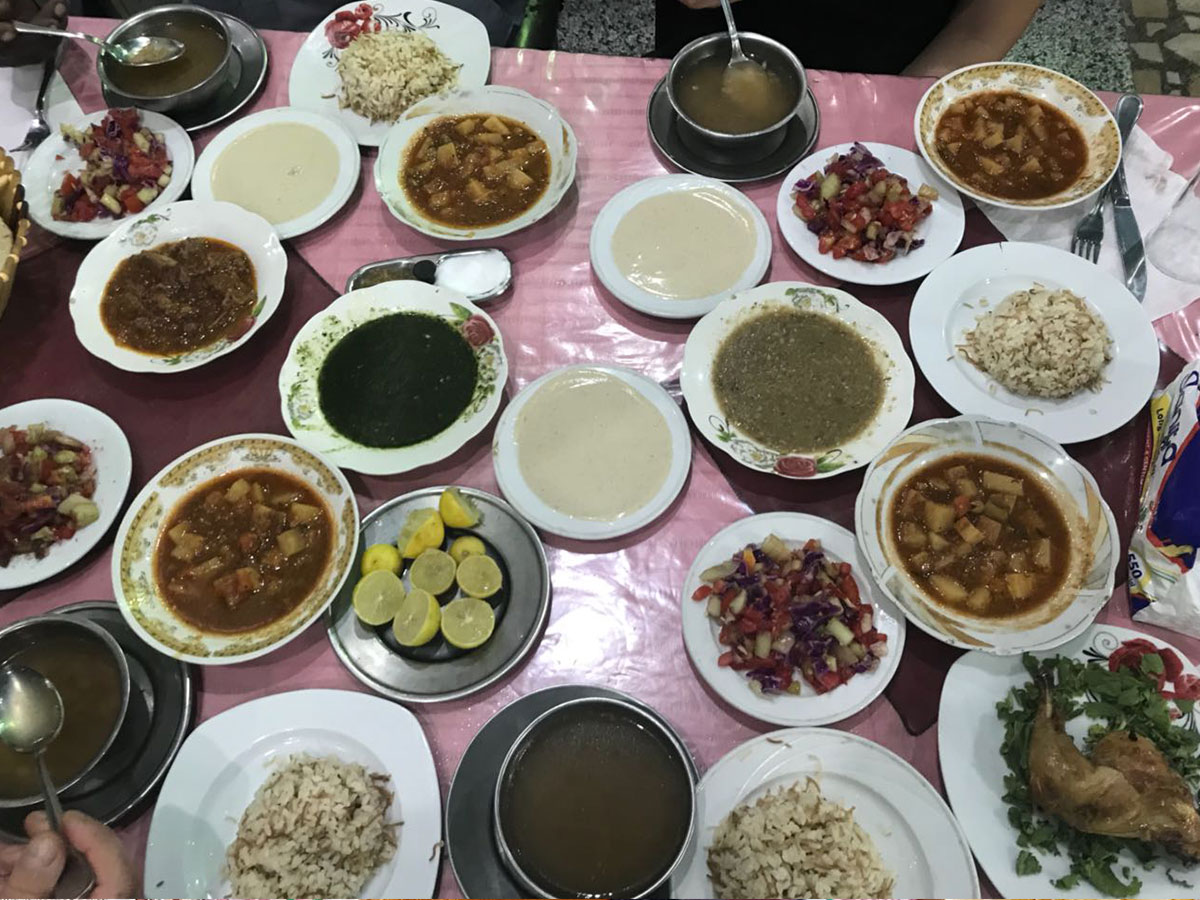
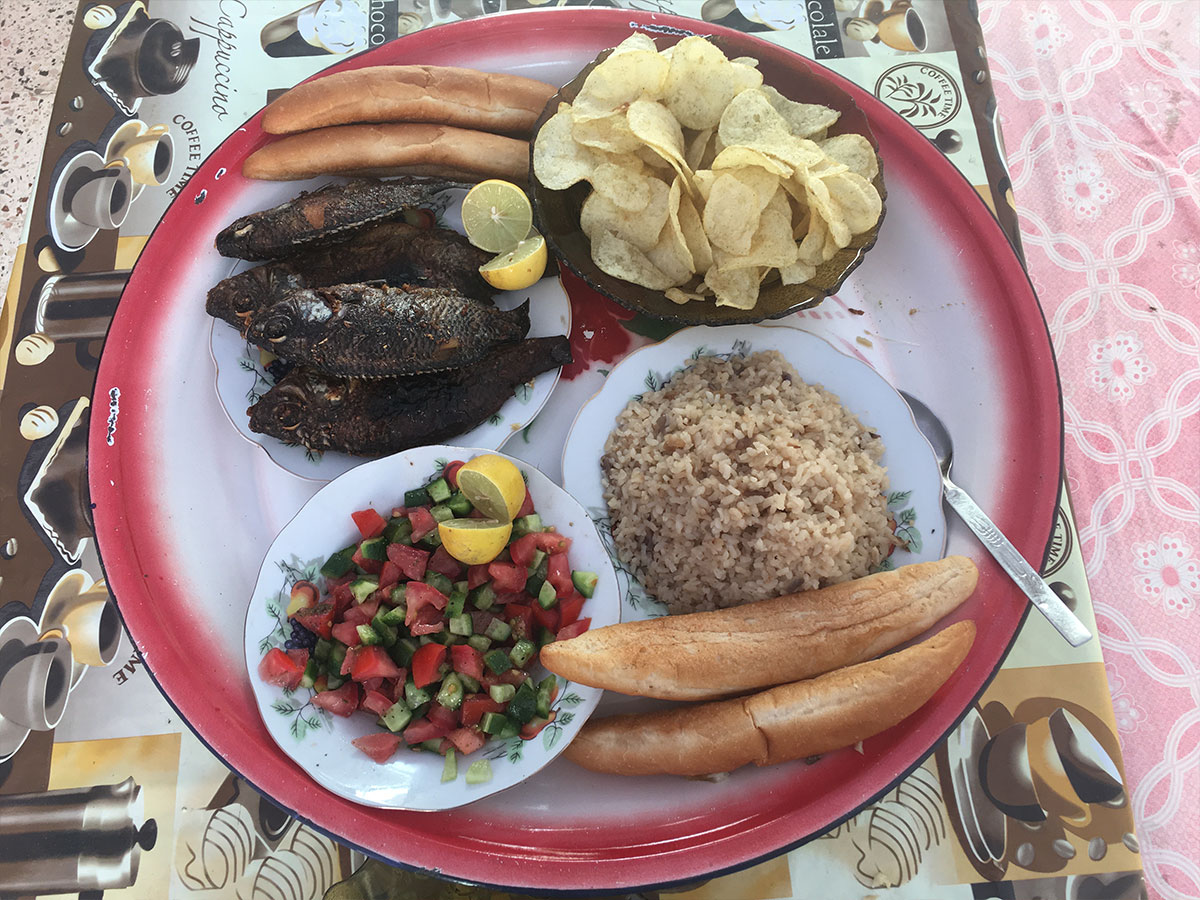
Historians take a more sober view: for them, the Christian-Egyptian Easter is clearly based on the Pharaonic spring festival. For thousands of years, a festival called "Shamm an-nessim", which means "smell the spring wind", has been celebrated on Easter Monday in Egypt. Egyptian families celebrate this day by picnicking outside and eating eggs and salted fish. Ancient Egyptian and Christian customs come together here. Fish marinated in salt refers to ancient Egyptian mummification, which is about preserving the body for eternal life. For the Copts, the egg stands for fertility and rebirth. Believing Copts fast until the day on which eggs and fish may be eaten. Everything animal is forbidden until then, but the fasting cuisine with beans, felaffes, sesame porridge and fresh salad and flatbread is delicious.
Despite the difficult environment as a Christian minority, with many Copts experiencing harassment and discrimination, Easter is a loud celebration for the Copts. The Coptic Christians are cheerful and look forward to Easter. They don't hide, especially on their biggest festival they are happy to receive congratulations and visits from Muslim friends.
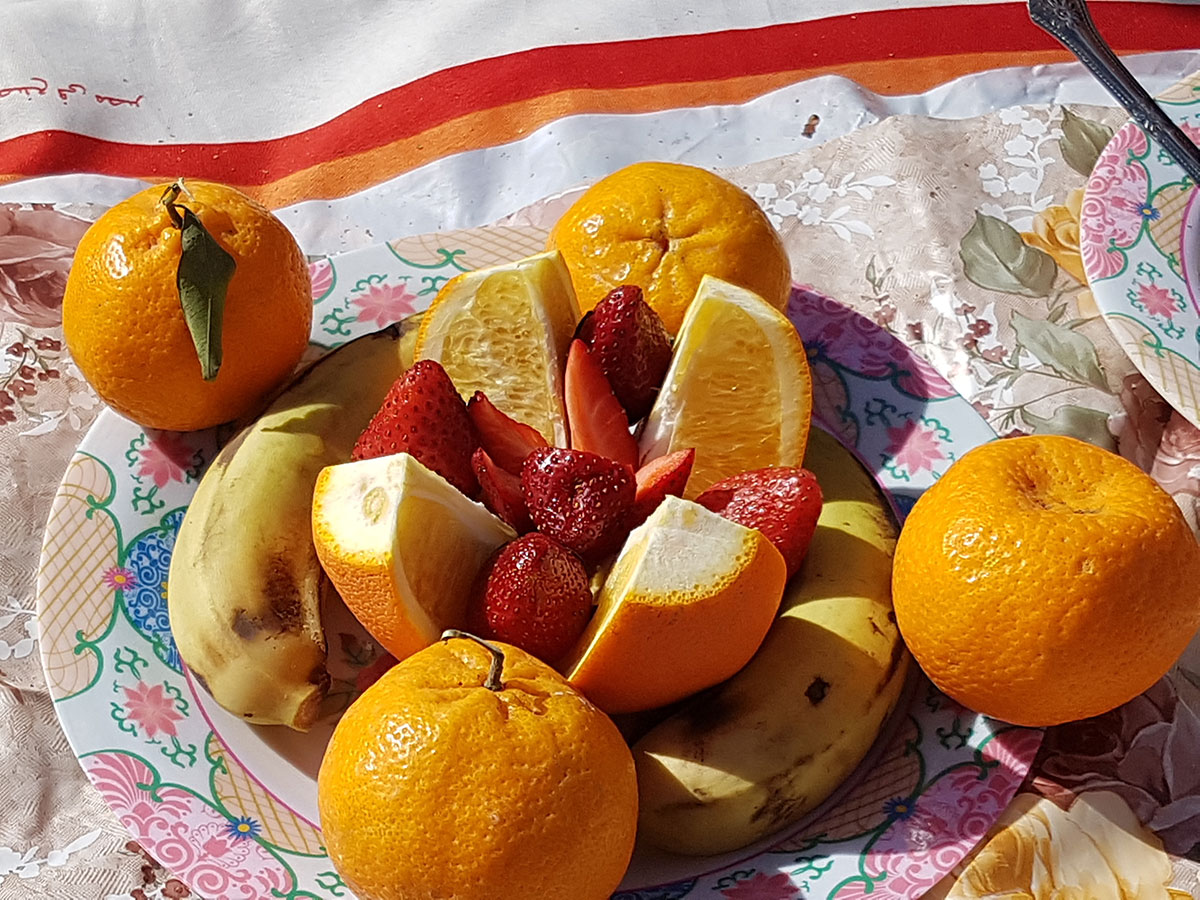
Attending an Easter mass is open to everyone. However, it does require a great interest in the rite and, on a personal note, a little bit of suffering. After all, a mass lasts several hours. The mass we attended at Easter 2018 began at 7 p.m. and didn't finish until around midnight. Candles, spiritual songs, incense and symbolic acts play a major role in the mass. The priests wear white robes with hoods and perform the rite with their backs to the faithful. The liturgy itself is very reverent, but also joyful and festive. The faithful are busy coming and going, meeting and exchanging ideas. Children run around and play. But men and women are strictly separated from each other. This reminds me of my Catholic youth in Münsterland. The idea of attending an Easter mass in St. Mark's Church in Aswan with my partner came to nothing. We did go through the security checks together, as the church and the gathering are extensively secured by the police and military on such occasions, but then, as soon as we were through the door, I went left to the men and my partner went right to the women. The Coptic women are unveiled. And then I sat there among all the men, not understanding a word and it went on and on. I left early and didn't live to see communion. My sweetheart, on the other hand, held out, but didn't say much more about it.
Listening tip: Fairuz, one of the most famous and best female voices in the Middle East, herself an Orthodox Christian from Lebanon, sings the Holy Easter Mass in Arabic. Certainly an insider tip, but the best listening pleasure, the voice is a dream!